Buy schulung.eu ?
We are moving the project
schulung.eu .
Are you interested in purchasing the domain
schulung.eu ?
domain@kv-gmbh.de · 0541-91531010
Buy schulung.eu ?
Which option is better: textured wallpaper or textured paint?
The choice between textured wallpaper and textured paint ultimately depends on personal preference and the specific needs of the space. Textured wallpaper can add depth and dimension to a room, but it may be more difficult to install and remove compared to textured paint. Textured paint, on the other hand, is easier to apply and can be customized to achieve different textures and effects. Consider factors such as maintenance, cost, and desired aesthetic when deciding between the two options. **
Which option do you prefer, textured plaster or textured wallpaper?
I prefer textured plaster over textured wallpaper. Textured plaster provides a more authentic and natural look, as it is applied directly to the wall and can be customized to suit the specific design aesthetic. Additionally, textured plaster is more durable and long-lasting compared to textured wallpaper, which can peel or tear over time. Overall, I find textured plaster to be a more versatile and visually appealing option for adding texture to a space. **


Similar search terms for Textured
Top-Angebote
Products related to Textured:
-
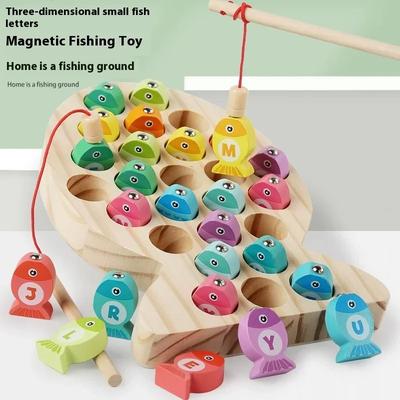
Inspire Select Wooden Montessori Fishing Toy Set Kids Number & Alphabet Learning Game For Early Education Training lettersMake learning fun and interactive with a playful educational experience. This Montessori fishing toy helps children develop essential skills while enjoying handson play. Designed for toddlers and young kids, this wooden learning toy combines...96,97 $*Shipping: 0,00 $Secure redirect to the provider
-
Market Central Felt Finger Numbers Math Toy Toddler Counting Early Education Learning Game Felt Finger Numbers Math Toy Toddler Counting Early Education Learning GameThis toddler Montessori felt math toy provides an interactive way for young children to learn basic numbers and early counting skills. Designed to build foundational math skills through handson play, it helps develop early childhood intelligence and...34,97 $*Shipping: 0,00 $Secure redirect to the provider
-
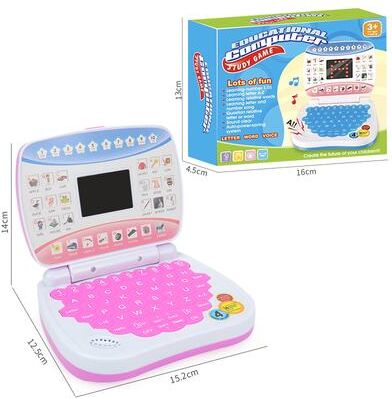
JoyToys Smart Kids Learning Laptop Educational Laptop Toy For Preschool English Learning & Skill Development pinkExperience the joy of watching your child learn through play with this educational laptop toy designed to make every lesson fun and engaging. Perfect for toddlers and preschoolers, this interactive learning computer introduces letters, numbers,...34,97 $*Shipping: 0,00 $Secure redirect to the provider
-
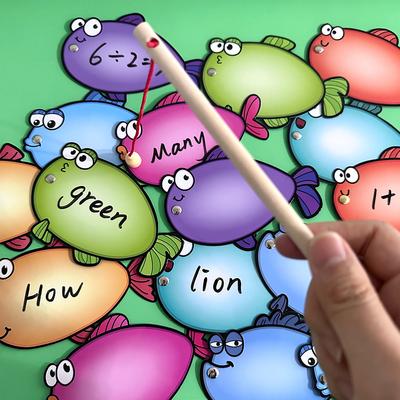
Perfect Picks Market Montessori Reusable Learning Cards Set For Kids Early Education Writing Practice Game Montessori Reusable Learning Cards Set For Kids Early Education Writing Practice GameTurn everyday learning into a fun, handson experience with these Montessori toys designed to spark curiosity and creativity. This engaging set of reusable cards helps young children build essential skills through play, making it perfect for early...39,97 $*Shipping: 0,00 $Secure redirect to the provider

-
How can you apply textured plaster on a textured wallpaper?
To apply textured plaster on a textured wallpaper, you will first need to prepare the wallpaper by cleaning it thoroughly and allowing it to dry completely. Then, apply a primer to the wallpaper to create a smooth surface for the textured plaster to adhere to. Once the primer is dry, you can apply the textured plaster using a trowel or a putty knife, working in small sections to ensure even coverage. After the plaster has been applied, you can use a textured roller or a brush to create the desired texture. Allow the plaster to dry completely before applying any paint or sealant. **
-
What is textured paint 2?
Textured paint 2 is a type of paint that contains additives such as sand, silica, or other materials to create a textured finish on surfaces. This type of paint is often used to add depth and dimension to walls, ceilings, or furniture, and can help hide imperfections in the surface. Textured paint 2 can come in a variety of finishes, from subtle to more pronounced textures, allowing for a customized look in interior design. **
-
How do you remove textured plaster?
To remove textured plaster, you can start by using a putty knife or scraper to gently chip away at the texture. You can also try using a heat gun to soften the plaster, making it easier to scrape off. Another method is to use a chemical paint stripper to dissolve the plaster. It's important to wear protective gear and work carefully to avoid damaging the underlying surface. **
-
How do I paint textured plaster?
To paint textured plaster, follow these steps: 1. Clean the surface: Use a damp cloth to wipe down the textured plaster to remove any dust, dirt, or debris. Allow the surface to dry completely before proceeding. 2. Prime the surface: Apply a coat of primer to the textured plaster to help the paint adhere better and provide a more even finish. Use a roller or brush to apply the primer evenly and allow it to dry according to the manufacturer's instructions. 3. Choose the right paint: Select a paint that is suitable for textured surfaces, such as a high-quality acrylic paint. Make sure to choose a color that complements the overall look and feel of the room. 4. Apply the paint: Use a roller or brush to apply the paint to the textured plaster. Work in small sections, starting from the top and working your way down. Make sure to apply the paint evenly and in a consistent direction to maintain a uniform finish. 5. Allow the paint to dry: Let the first coat of paint dry completely before applying a second coat if needed. Follow the drying time recommended by the paint manufacturer. 6. Touch up any areas: Once the paint is dry, inspect the surface for any areas that may need touch-ups. Use a brush to carefully touch up any missed spots or imperfections. 7. Seal the paint (optional): If desired, you can apply a clear sealer to protect the painted surface and enhance its durability. Follow the manufacturer's instructions for the sealer **
How can one smooth textured wallpaper?
To smooth textured wallpaper, you can start by sanding down any rough areas with fine-grit sandpaper to create a smoother surface. Then, apply a thin layer of joint compound or spackling paste to fill in any remaining texture or imperfections. Once the compound is dry, sand it down again to create a smooth and even surface. Finally, prime the wallpaper before applying a new coat of paint or wallpaper to achieve a flawless finish. **
Does anyone know about textured paint?
Textured paint is a type of paint that contains additives such as sand, silica, or other materials to create a textured finish on walls or other surfaces. It is often used to add depth and dimension to a space, and can be applied with a roller, brush, or trowel. Textured paint can be used to cover imperfections in walls or to create a decorative effect. It is important to follow the manufacturer's instructions for application and to test a small area before applying it to a larger surface. **
Top-Angebote
Products related to Textured:
-
Tiny Tots Teens Trends Drawer Game Early Education Montessori Wooden Pitch Ball Box Preschool Learning Training Toy Drawer Game Early Education Montessori Wooden Pitch Ball Box Preschool Learning Training ToyThis Montessori Wooden Pitch Ball Box Drawer Game is a thoughtfully designed earlyeducation toy that transforms playtime into purposeful learning. Crafted for toddlers and preschoolers, it offers a handson, engaging way to support key developmental...39,97 $*Shipping: 0,00 $Secure redirect to the provider
-
Perfect Picks Market Geometric Building Blocks Set For Kids Early Education Intelligence Development Toy Geometric Building Blocks Set For Kids Early Education Intelligence Development ToyUnlock your child's potential with this early education equipment designed to stimulate creativity and intelligence! This geometric set is the perfect building block toy for boys, helping to develop problemsolving skills while having fun. The...35,97 $*Shipping: 0,00 $Secure redirect to the provider
-
Inspire Select Wooden Montessori Fishing Toy Set Kids Number & Alphabet Learning Game For Early Education Training lettersMake learning fun and interactive with a playful educational experience. This Montessori fishing toy helps children develop essential skills while enjoying handson play. Designed for toddlers and young kids, this wooden learning toy combines...96,97 $*Shipping: 0,00 $Secure redirect to the provider
-
Market Central Felt Finger Numbers Math Toy Toddler Counting Early Education Learning Game Felt Finger Numbers Math Toy Toddler Counting Early Education Learning GameThis toddler Montessori felt math toy provides an interactive way for young children to learn basic numbers and early counting skills. Designed to build foundational math skills through handson play, it helps develop early childhood intelligence and...34,97 $*Shipping: 0,00 $Secure redirect to the provider
-
Which option is better: textured wallpaper or textured paint?
The choice between textured wallpaper and textured paint ultimately depends on personal preference and the specific needs of the space. Textured wallpaper can add depth and dimension to a room, but it may be more difficult to install and remove compared to textured paint. Textured paint, on the other hand, is easier to apply and can be customized to achieve different textures and effects. Consider factors such as maintenance, cost, and desired aesthetic when deciding between the two options. **
-
Which option do you prefer, textured plaster or textured wallpaper?
I prefer textured plaster over textured wallpaper. Textured plaster provides a more authentic and natural look, as it is applied directly to the wall and can be customized to suit the specific design aesthetic. Additionally, textured plaster is more durable and long-lasting compared to textured wallpaper, which can peel or tear over time. Overall, I find textured plaster to be a more versatile and visually appealing option for adding texture to a space. **
-
How can you apply textured plaster on a textured wallpaper?
To apply textured plaster on a textured wallpaper, you will first need to prepare the wallpaper by cleaning it thoroughly and allowing it to dry completely. Then, apply a primer to the wallpaper to create a smooth surface for the textured plaster to adhere to. Once the primer is dry, you can apply the textured plaster using a trowel or a putty knife, working in small sections to ensure even coverage. After the plaster has been applied, you can use a textured roller or a brush to create the desired texture. Allow the plaster to dry completely before applying any paint or sealant. **
-
What is textured paint 2?
Textured paint 2 is a type of paint that contains additives such as sand, silica, or other materials to create a textured finish on surfaces. This type of paint is often used to add depth and dimension to walls, ceilings, or furniture, and can help hide imperfections in the surface. Textured paint 2 can come in a variety of finishes, from subtle to more pronounced textures, allowing for a customized look in interior design. **
Similar search terms for Textured
-
JoyToys Smart Kids Learning Laptop Educational Laptop Toy For Preschool English Learning & Skill Development pinkExperience the joy of watching your child learn through play with this educational laptop toy designed to make every lesson fun and engaging. Perfect for toddlers and preschoolers, this interactive learning computer introduces letters, numbers,...34,97 $*Shipping: 0,00 $Secure redirect to the provider
-
Perfect Picks Market Montessori Reusable Learning Cards Set For Kids Early Education Writing Practice Game Montessori Reusable Learning Cards Set For Kids Early Education Writing Practice GameTurn everyday learning into a fun, handson experience with these Montessori toys designed to spark curiosity and creativity. This engaging set of reusable cards helps young children build essential skills through play, making it perfect for early...39,97 $*Shipping: 0,00 $Secure redirect to the provider
-
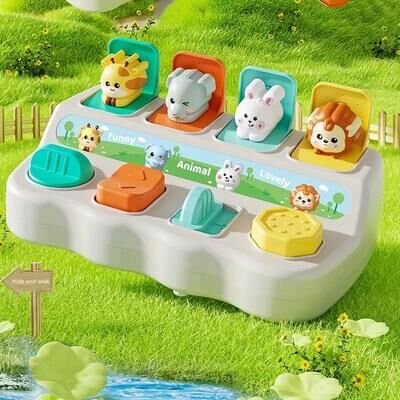
Inspired Living Montessori Pop Up Animal Learning Box For Fine Motor & Early Skill Development Montessori Pop Up Animal Learning Box For Fine Motor & Early Skill DevelopmentTurn playtime into a joyful learning experience with this engaging Montessori toy designed to spark curiosity and build essential skills. Created for toddlers and young children, this interactive pop up animal toy combines fun surprises with...23,97 $*Shipping: 0,00 $Secure redirect to the provider
-
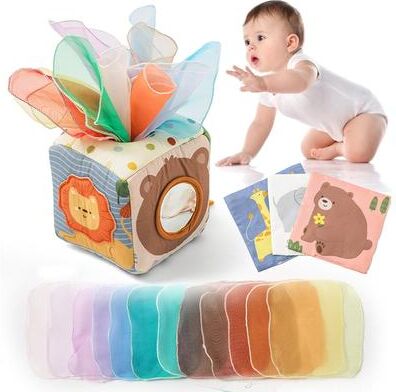
JoyToys Montessori Baby Sensory Tissue Box Early Learning Toy For Fine Motor Skill Development Montessori Baby Sensory Tissue Box Early Learning Toy For Fine Motor Skill DevelopmentExperience the joy of watching your little one learn through play with this Montessori baby toy designed to spark curiosity from the very first touch. This engaging sensory tissue box encourages babies to pull, grasp, explore, and discover while...34,97 $*Shipping: 0,00 $Secure redirect to the provider
-
How do you remove textured plaster?
To remove textured plaster, you can start by using a putty knife or scraper to gently chip away at the texture. You can also try using a heat gun to soften the plaster, making it easier to scrape off. Another method is to use a chemical paint stripper to dissolve the plaster. It's important to wear protective gear and work carefully to avoid damaging the underlying surface. **
-
How do I paint textured plaster?
To paint textured plaster, follow these steps: 1. Clean the surface: Use a damp cloth to wipe down the textured plaster to remove any dust, dirt, or debris. Allow the surface to dry completely before proceeding. 2. Prime the surface: Apply a coat of primer to the textured plaster to help the paint adhere better and provide a more even finish. Use a roller or brush to apply the primer evenly and allow it to dry according to the manufacturer's instructions. 3. Choose the right paint: Select a paint that is suitable for textured surfaces, such as a high-quality acrylic paint. Make sure to choose a color that complements the overall look and feel of the room. 4. Apply the paint: Use a roller or brush to apply the paint to the textured plaster. Work in small sections, starting from the top and working your way down. Make sure to apply the paint evenly and in a consistent direction to maintain a uniform finish. 5. Allow the paint to dry: Let the first coat of paint dry completely before applying a second coat if needed. Follow the drying time recommended by the paint manufacturer. 6. Touch up any areas: Once the paint is dry, inspect the surface for any areas that may need touch-ups. Use a brush to carefully touch up any missed spots or imperfections. 7. Seal the paint (optional): If desired, you can apply a clear sealer to protect the painted surface and enhance its durability. Follow the manufacturer's instructions for the sealer **
-
How can one smooth textured wallpaper?
To smooth textured wallpaper, you can start by sanding down any rough areas with fine-grit sandpaper to create a smoother surface. Then, apply a thin layer of joint compound or spackling paste to fill in any remaining texture or imperfections. Once the compound is dry, sand it down again to create a smooth and even surface. Finally, prime the wallpaper before applying a new coat of paint or wallpaper to achieve a flawless finish. **
-
Does anyone know about textured paint?
Textured paint is a type of paint that contains additives such as sand, silica, or other materials to create a textured finish on walls or other surfaces. It is often used to add depth and dimension to a space, and can be applied with a roller, brush, or trowel. Textured paint can be used to cover imperfections in walls or to create a decorative effect. It is important to follow the manufacturer's instructions for application and to test a small area before applying it to a larger surface. **
* All prices are inclusive of VAT and, if applicable, plus shipping costs. The offer information is based on the details provided by the respective shop and is updated through automated processes. Real-time updates do not occur, so deviations can occur in individual cases. ** Note: Parts of this content were created by AI.