Buy schulung.eu ?
We are moving the project
schulung.eu .
Are you interested in purchasing the domain
schulung.eu ?
domain@kv-gmbh.de · 0541-91531010
Buy schulung.eu ?
Are punctuation marks and emojis analogous?
Punctuation marks and emojis serve different purposes in written communication. Punctuation marks are used to clarify the structure and meaning of a sentence, while emojis are used to convey emotions, tone, and nonverbal cues. While both can enhance written communication, they are not entirely analogous as they serve different functions. Emojis are more akin to nonverbal cues in face-to-face communication, while punctuation marks are more about organizing and clarifying written text. **
Are Maybugs analogous or homologous animals?
Maybugs, also known as cockchafers, are not analogous or homologous to any other animals. They are a unique species of beetle belonging to the family Scarabaeidae. Analogous structures are similar in function but not in structure or evolutionary origin, while homologous structures are similar in structure and evolutionary origin but not necessarily in function. Maybugs do not share these similarities with any other animals, making them a distinct and separate species. **

Similar search terms for Analogous
Top-Angebote
Products related to Analogous:
-
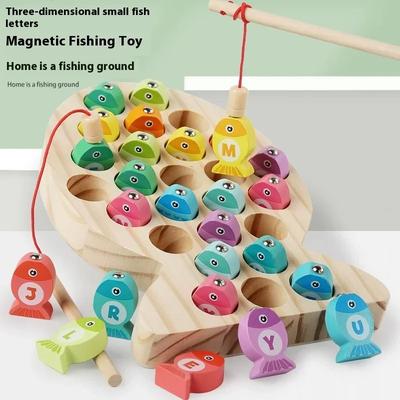
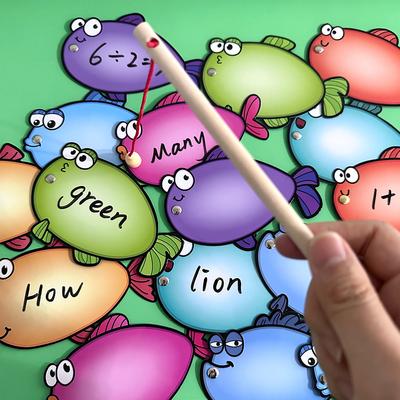
Inspire Select Wooden Montessori Fishing Toy Set Kids Number & Alphabet Learning Game For Early Education Training lettersMake learning fun and interactive with a playful educational experience. This Montessori fishing toy helps children develop essential skills while enjoying handson play. Designed for toddlers and young kids, this wooden learning toy combines...96,97 $*Shipping: 0,00 $Secure redirect to the provider
-
Market Central Felt Finger Numbers Math Toy Toddler Counting Early Education Learning Game Felt Finger Numbers Math Toy Toddler Counting Early Education Learning GameThis toddler Montessori felt math toy provides an interactive way for young children to learn basic numbers and early counting skills. Designed to build foundational math skills through handson play, it helps develop early childhood intelligence and...34,97 $*Shipping: 0,00 $Secure redirect to the provider
-
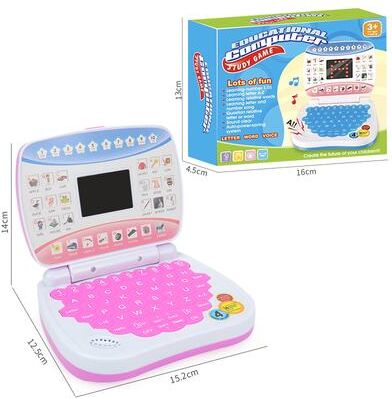
JoyToys Smart Kids Learning Laptop Educational Laptop Toy For Preschool English Learning & Skill Development pinkExperience the joy of watching your child learn through play with this educational laptop toy designed to make every lesson fun and engaging. Perfect for toddlers and preschoolers, this interactive learning computer introduces letters, numbers,...34,97 $*Shipping: 0,00 $Secure redirect to the provider
-
Perfect Picks Market Montessori Reusable Learning Cards Set For Kids Early Education Writing Practice Game Montessori Reusable Learning Cards Set For Kids Early Education Writing Practice GameTurn everyday learning into a fun, handson experience with these Montessori toys designed to spark curiosity and creativity. This engaging set of reusable cards helps young children build essential skills through play, making it perfect for early...39,97 $*Shipping: 0,00 $Secure redirect to the provider

-
Are bat wings homologous or analogous?
Bat wings are homologous structures, meaning they share a common evolutionary origin with the wings of other mammals, such as humans and whales. This suggests that bats, humans, and whales all inherited their limb structure from a common ancestor. In contrast, analogous structures are those that have similar functions but different evolutionary origins, such as the wings of birds and insects. **
-
Are mole and mole cricket analogous or homologous?
Mole and mole cricket are analogous structures because they have similar functions (burrowing underground) but do not share a common evolutionary origin. Mole is a mammal, while mole cricket is an insect, so they are not homologous structures. Analogous structures evolve independently in different species to serve the same purpose, while homologous structures are inherited from a common ancestor. **
-
What are homologous and analogous structures in plants?
Homologous structures in plants are features that have a similar underlying structure and origin, but may have different functions. For example, the wings of a bird and the arms of a human are homologous structures because they both have a similar bone structure, even though they serve different purposes. In plants, homologous structures can include similar leaf or flower structures that have evolved from a common ancestor. Analogous structures in plants, on the other hand, are features that have a similar function but different underlying structures and origins. For example, the wings of a bird and the wings of a butterfly are analogous structures because they both serve the function of flight, but have different anatomical origins. In plants, analogous structures can include similar leaf shapes or reproductive structures that have evolved independently in different plant lineages to serve similar functions. **
-
What is the difference between equivalent and analogous?
The main difference between equivalent and analogous is that equivalent refers to things that are equal in value, function, or meaning, while analogous refers to things that are similar in some way but not necessarily equal in value or function. For example, two equivalent fractions have the same value, while two analogous situations may share similarities but have different outcomes. In summary, equivalent implies equality, while analogous implies similarity. **
Are spines and thorns in biology homologous or analogous?
Spines and thorns in biology are considered analogous structures. This means that they have similar functions (protection) but do not share a common evolutionary origin. Spines can be found in a variety of organisms, such as cacti and porcupines, while thorns are typically found in plants like roses and blackberries. Despite their similar functions, spines and thorns evolved independently in different lineages to serve the purpose of defense. **
What is the definition of homologous and analogous organs?
Homologous organs are structures that have a similar origin in different species, suggesting a common evolutionary ancestor. These organs may have different functions in different species but share a common underlying structure. On the other hand, analogous organs are structures that have a similar function in different species but do not share a common evolutionary origin. Analogous organs have evolved independently in different species to serve the same purpose. **
Top-Angebote
Products related to Analogous:
-
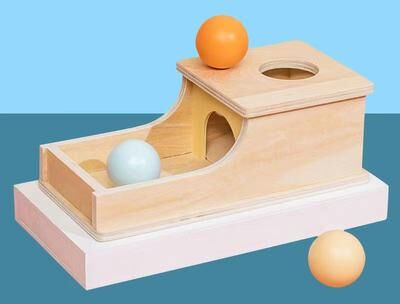
Tiny Tots Teens Trends Drawer Game Early Education Montessori Wooden Pitch Ball Box Preschool Learning Training Toy Drawer Game Early Education Montessori Wooden Pitch Ball Box Preschool Learning Training ToyThis Montessori Wooden Pitch Ball Box Drawer Game is a thoughtfully designed earlyeducation toy that transforms playtime into purposeful learning. Crafted for toddlers and preschoolers, it offers a handson, engaging way to support key developmental...39,97 $*Shipping: 0,00 $Secure redirect to the provider
-
Perfect Picks Market Geometric Building Blocks Set For Kids Early Education Intelligence Development Toy Geometric Building Blocks Set For Kids Early Education Intelligence Development ToyUnlock your child's potential with this early education equipment designed to stimulate creativity and intelligence! This geometric set is the perfect building block toy for boys, helping to develop problemsolving skills while having fun. The...35,97 $*Shipping: 0,00 $Secure redirect to the provider
-
Inspire Select Wooden Montessori Fishing Toy Set Kids Number & Alphabet Learning Game For Early Education Training lettersMake learning fun and interactive with a playful educational experience. This Montessori fishing toy helps children develop essential skills while enjoying handson play. Designed for toddlers and young kids, this wooden learning toy combines...96,97 $*Shipping: 0,00 $Secure redirect to the provider
-
Market Central Felt Finger Numbers Math Toy Toddler Counting Early Education Learning Game Felt Finger Numbers Math Toy Toddler Counting Early Education Learning GameThis toddler Montessori felt math toy provides an interactive way for young children to learn basic numbers and early counting skills. Designed to build foundational math skills through handson play, it helps develop early childhood intelligence and...34,97 $*Shipping: 0,00 $Secure redirect to the provider
-
Are punctuation marks and emojis analogous?
Punctuation marks and emojis serve different purposes in written communication. Punctuation marks are used to clarify the structure and meaning of a sentence, while emojis are used to convey emotions, tone, and nonverbal cues. While both can enhance written communication, they are not entirely analogous as they serve different functions. Emojis are more akin to nonverbal cues in face-to-face communication, while punctuation marks are more about organizing and clarifying written text. **
-
Are Maybugs analogous or homologous animals?
Maybugs, also known as cockchafers, are not analogous or homologous to any other animals. They are a unique species of beetle belonging to the family Scarabaeidae. Analogous structures are similar in function but not in structure or evolutionary origin, while homologous structures are similar in structure and evolutionary origin but not necessarily in function. Maybugs do not share these similarities with any other animals, making them a distinct and separate species. **
-
Are bat wings homologous or analogous?
Bat wings are homologous structures, meaning they share a common evolutionary origin with the wings of other mammals, such as humans and whales. This suggests that bats, humans, and whales all inherited their limb structure from a common ancestor. In contrast, analogous structures are those that have similar functions but different evolutionary origins, such as the wings of birds and insects. **
-
Are mole and mole cricket analogous or homologous?
Mole and mole cricket are analogous structures because they have similar functions (burrowing underground) but do not share a common evolutionary origin. Mole is a mammal, while mole cricket is an insect, so they are not homologous structures. Analogous structures evolve independently in different species to serve the same purpose, while homologous structures are inherited from a common ancestor. **
Similar search terms for Analogous
-
JoyToys Smart Kids Learning Laptop Educational Laptop Toy For Preschool English Learning & Skill Development pinkExperience the joy of watching your child learn through play with this educational laptop toy designed to make every lesson fun and engaging. Perfect for toddlers and preschoolers, this interactive learning computer introduces letters, numbers,...34,97 $*Shipping: 0,00 $Secure redirect to the provider
-
Perfect Picks Market Montessori Reusable Learning Cards Set For Kids Early Education Writing Practice Game Montessori Reusable Learning Cards Set For Kids Early Education Writing Practice GameTurn everyday learning into a fun, handson experience with these Montessori toys designed to spark curiosity and creativity. This engaging set of reusable cards helps young children build essential skills through play, making it perfect for early...39,97 $*Shipping: 0,00 $Secure redirect to the provider
-
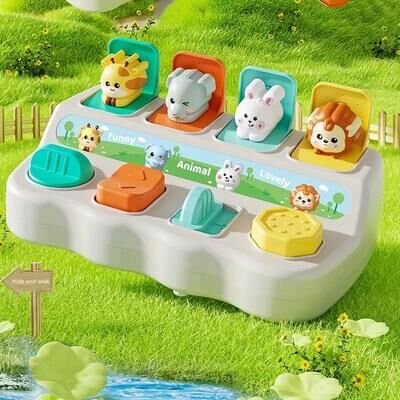
Inspired Living Montessori Pop Up Animal Learning Box For Fine Motor & Early Skill Development Montessori Pop Up Animal Learning Box For Fine Motor & Early Skill DevelopmentTurn playtime into a joyful learning experience with this engaging Montessori toy designed to spark curiosity and build essential skills. Created for toddlers and young children, this interactive pop up animal toy combines fun surprises with...23,97 $*Shipping: 0,00 $Secure redirect to the provider
-
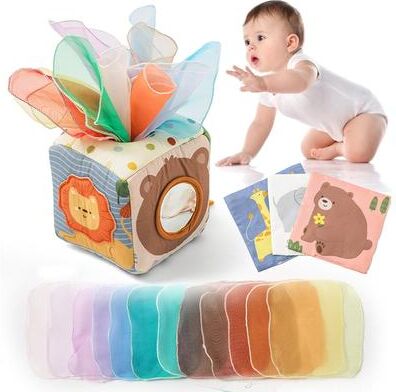
JoyToys Montessori Baby Sensory Tissue Box Early Learning Toy For Fine Motor Skill Development Montessori Baby Sensory Tissue Box Early Learning Toy For Fine Motor Skill DevelopmentExperience the joy of watching your little one learn through play with this Montessori baby toy designed to spark curiosity from the very first touch. This engaging sensory tissue box encourages babies to pull, grasp, explore, and discover while...34,97 $*Shipping: 0,00 $Secure redirect to the provider
-
What are homologous and analogous structures in plants?
Homologous structures in plants are features that have a similar underlying structure and origin, but may have different functions. For example, the wings of a bird and the arms of a human are homologous structures because they both have a similar bone structure, even though they serve different purposes. In plants, homologous structures can include similar leaf or flower structures that have evolved from a common ancestor. Analogous structures in plants, on the other hand, are features that have a similar function but different underlying structures and origins. For example, the wings of a bird and the wings of a butterfly are analogous structures because they both serve the function of flight, but have different anatomical origins. In plants, analogous structures can include similar leaf shapes or reproductive structures that have evolved independently in different plant lineages to serve similar functions. **
-
What is the difference between equivalent and analogous?
The main difference between equivalent and analogous is that equivalent refers to things that are equal in value, function, or meaning, while analogous refers to things that are similar in some way but not necessarily equal in value or function. For example, two equivalent fractions have the same value, while two analogous situations may share similarities but have different outcomes. In summary, equivalent implies equality, while analogous implies similarity. **
-
Are spines and thorns in biology homologous or analogous?
Spines and thorns in biology are considered analogous structures. This means that they have similar functions (protection) but do not share a common evolutionary origin. Spines can be found in a variety of organisms, such as cacti and porcupines, while thorns are typically found in plants like roses and blackberries. Despite their similar functions, spines and thorns evolved independently in different lineages to serve the purpose of defense. **
-
What is the definition of homologous and analogous organs?
Homologous organs are structures that have a similar origin in different species, suggesting a common evolutionary ancestor. These organs may have different functions in different species but share a common underlying structure. On the other hand, analogous organs are structures that have a similar function in different species but do not share a common evolutionary origin. Analogous organs have evolved independently in different species to serve the same purpose. **
* All prices are inclusive of VAT and, if applicable, plus shipping costs. The offer information is based on the details provided by the respective shop and is updated through automated processes. Real-time updates do not occur, so deviations can occur in individual cases. ** Note: Parts of this content were created by AI.