Buy schulung.eu ?
We are moving the project
schulung.eu .
Are you interested in purchasing the domain
schulung.eu ?
domain@kv-gmbh.de · 0541-91531010
Buy schulung.eu ?
How can one study primary education pedagogy?
One can study primary education pedagogy by enrolling in a teacher education program that focuses on elementary education. These programs typically include coursework on child development, curriculum design, teaching methods, and classroom management. Additionally, gaining practical experience through student teaching or internships in elementary schools can provide valuable hands-on learning opportunities. Engaging in professional development opportunities, such as workshops, conferences, and online courses, can also help educators stay current on best practices in primary education pedagogy. **
What is primary school education in Berlin?
Primary school education in Berlin is compulsory for children aged 6 to 14. It typically consists of four years of Grundschule (primary school) followed by six years of Sekundarschule (secondary school). The curriculum focuses on core subjects such as German, mathematics, and science, as well as subjects like art, music, and physical education. Primary school education in Berlin aims to provide a solid foundation for further education and personal development. **

Similar search terms for Primary
Top-Angebote
Products related to Primary:
-
Primary 4 Pan Palette - Eyeliner - Glisten CosmeticsDescription. Limited 4 Pan Palette for only £20!. 4 pan eyeliner palette with Lobster, Field Day, Sapphire & Bananas.. Lobster - True red. Field Day - Grass Green. Sapphire - Royal Blue. Bananas - True Yellow. Product Info. For external use only. Keep it at room temperature, avoid placing in direct sunlight. Avoid direct contact with eyes and keep out of reach of children. Discontinue use if signs of irritation or rash appear. If you are allergic, or are under treatment/medication for any skin or hair disorders, you must consult with your healthcare professional before using any of our products. To check for skin sensitivity do a small patch test on inner elbow. Glisten Cosmetics will not be held responsible for any reactions that occur due to the customer not taking due care.. All sales are subject to UK & EU law.. Please read our disclaimer before purchasing.. Ingredients: Sericite, Glycerin, Acacia Senegal Gum, Polysorbate-20, Water. [May Contain +/- Talc, Propanediol, Methylparaben, Titanium Dioxide (CI 77891), FDC Yellow No.5 (CI 19140), FDC Blue No. 1 (CI 42090), DC Red No. 21 (CI 45380), DC Orange No. 5 (CI 45370), DC Yellow No. 7 (CI 45350), DC Violet No. 2 (CI 60725).]. Net Weight (per pan) - 3g. Once opened use within 18 months21,60 $*Shipping: 9,00 $Secure redirect to the provider
-
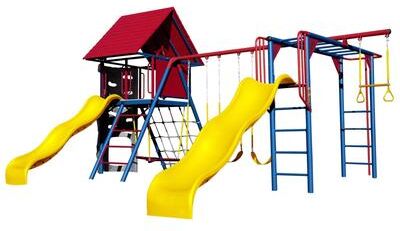
Lifetime Big Stuff Deluxe Swing Set, PrimaryBring the park to your backyard and give your children or grandchildren a space where they can let their imagination run wild. The Lifetime Big Stuff Deluxe Swing Set comes packed with features that'll keep children outdoors and active.4045,99 $*Shipping: 0,00 $Secure redirect to the provider



-
Are primary schools authorized to provide education?
Yes, primary schools are authorized to provide education. Primary schools are specifically designed to provide education to children in the early stages of their academic development, typically from ages 5-11. These schools are typically regulated and funded by the government to ensure that they meet certain educational standards and provide a quality learning experience for students. Primary schools play a crucial role in laying the foundation for a child's future academic success and are an essential part of the education system in many countries. **
-
What are primary sources in history education?
Primary sources in history education are original documents or artifacts that were created during the time period being studied. These sources provide firsthand accounts or evidence of historical events, and can include letters, diaries, speeches, photographs, newspapers, and government records. By using primary sources, students can engage directly with the past and develop critical thinking skills as they analyze and interpret the material. This allows them to gain a deeper understanding of historical events and the perspectives of people who lived during those times. **
-
What exactly is aesthetic education in primary school?
Aesthetic education in primary school refers to the integration of arts and creativity into the curriculum to develop students' aesthetic sensibilities and appreciation for the arts. It involves exposing students to various forms of art, such as visual arts, music, dance, and theater, and encouraging them to express themselves creatively. Aesthetic education aims to foster critical thinking, imagination, and emotional intelligence in students, as well as to cultivate an understanding and respect for different cultures and perspectives. Through aesthetic education, students can develop a lifelong appreciation for the arts and creativity. **
-
How is education structured during primary school and middle school?
Education during primary school and middle school is typically structured in a grade-based system, with students progressing from one grade to the next each year. Subjects such as math, science, language arts, and social studies are taught, with a focus on building foundational knowledge and skills. Students may have one teacher for most subjects in primary school, while in middle school they often have different teachers for each subject, preparing them for the transition to high school. Additionally, there may be standardized testing at certain grade levels to assess student progress and proficiency. **

Does every primary school teacher have to teach sex education?
No, not every primary school teacher is required to teach sex education. The decision to include sex education in the curriculum and the responsibility for teaching it often varies by country, state, or school district. In some places, there may be specific trained educators or outside professionals who come in to teach sex education, while in others it may be integrated into the curriculum and taught by the classroom teacher. Ultimately, the decision about who teaches sex education and how it is taught is determined by the educational policies and guidelines in place. **
What is the training for a primary school supervisor?
A primary school supervisor typically undergoes training in education, leadership, and management. This may include obtaining a bachelor's degree in education or a related field, as well as completing additional training in educational leadership and administration. Supervisors may also participate in professional development workshops and seminars to stay current on best practices in education and leadership. Additionally, they may receive on-the-job training and mentorship from experienced administrators. Overall, the training for a primary school supervisor focuses on developing the skills and knowledge needed to effectively lead and support teachers and students in a primary school setting. **
Top-Angebote
Products related to Primary:
-
Usborne Beginners Science Series – 10 Book Classroom Set Primary School STEM & Nonfiction Learning Books (Includes Earthquakes & Tsunamis)Inspire curiosity and a love of learning with the Usborne Beginners Science Series – 10 Books Collection Set, created by Usborne. This engaging educational collection introduces young readers to fascinating science topics through clear explanations, vivid illustrations, and easy-to-read text. Covering subjects such as Earthquakes and Tsunamis, nature, space, and the world around us, these books make complex ideas accessible and exciting. Designed for independent readers and classroom use, the Usborne Beginners series supports early STEM learning, reading confidence, and general knowledge development. Why Parents & Teachers Love This Collection: 10 engaging science books for children Covers key topics including Earthquakes & Tsunamis Easy-to-read format ideal for beginners Bright illustrations and simple explanations Perfect for ages 6–10 and early learners A fantastic introduction to science, the Usborne Beginners Collection helps children explore, question, and understand the world around them. Earthquakes and Tsunamis This is a fantastic addition to the popular Beginners series, providing an informative introduction to the fascinating world of earthquakes for young readers. There are clear explanations of the science behind different types of earthquakes and their effects, including tsunamis and landslides. This title features real-life earthquakes, and describes how people are kept safe and rescued when disaster strikes. Striking colour photographs and step-by-step illustrations engage readers with the subject matter. This title is developed with a reading expert from Roehampton University to help young readers grow in confidence. Sun Moon and Stars What is the Sun made of? How did astronauts get to the Moon and what did they find there? For children beginning to read on their own, this book is an exciting introduction to space. Includes vivid, full colour illustrations and photographs on every page, and easy-to-read text specially written with the help of a reading expert Living in Space How do astronauts travel into space? Where do they live when they get there? What do they do all day? In this book you'll find the answers and lots more amazing facts about living in space. This non-fiction series aims to encourage children to access the wonder of the world around them. The easy-to-read text has been specially written with the help of a reading expert Storms and Hurricanes How do astronauts travel into space? Where do they live when they get there? What do they do all day? In this book you'll find the answers and lots more amazing facts about living in space. This non-fiction series aims to encourage children to access the wonder of the world around them. The easy-to-read text has been specially written with the help of a reading expert Volcanoes An introduction to earthquakes and volcanoes. The sensational images combine with lively text, amazing facts, diagrams and a comprehensive glossary Astronomy A straightforward book telling...17,99 £*Shipping: 2,99 £Secure redirect to the provider
-
How can one study primary education pedagogy?
One can study primary education pedagogy by enrolling in a teacher education program that focuses on elementary education. These programs typically include coursework on child development, curriculum design, teaching methods, and classroom management. Additionally, gaining practical experience through student teaching or internships in elementary schools can provide valuable hands-on learning opportunities. Engaging in professional development opportunities, such as workshops, conferences, and online courses, can also help educators stay current on best practices in primary education pedagogy. **
-
What is primary school education in Berlin?
Primary school education in Berlin is compulsory for children aged 6 to 14. It typically consists of four years of Grundschule (primary school) followed by six years of Sekundarschule (secondary school). The curriculum focuses on core subjects such as German, mathematics, and science, as well as subjects like art, music, and physical education. Primary school education in Berlin aims to provide a solid foundation for further education and personal development. **
-
Are primary schools authorized to provide education?
Yes, primary schools are authorized to provide education. Primary schools are specifically designed to provide education to children in the early stages of their academic development, typically from ages 5-11. These schools are typically regulated and funded by the government to ensure that they meet certain educational standards and provide a quality learning experience for students. Primary schools play a crucial role in laying the foundation for a child's future academic success and are an essential part of the education system in many countries. **
-
What are primary sources in history education?
Primary sources in history education are original documents or artifacts that were created during the time period being studied. These sources provide firsthand accounts or evidence of historical events, and can include letters, diaries, speeches, photographs, newspapers, and government records. By using primary sources, students can engage directly with the past and develop critical thinking skills as they analyze and interpret the material. This allows them to gain a deeper understanding of historical events and the perspectives of people who lived during those times. **
Similar search terms for Primary
-
Primary 4 Pan Palette - Eyeliner - Glisten CosmeticsDescription. Limited 4 Pan Palette for only £20!. 4 pan eyeliner palette with Lobster, Field Day, Sapphire & Bananas.. Lobster - True red. Field Day - Grass Green. Sapphire - Royal Blue. Bananas - True Yellow. Product Info. For external use only. Keep it at room temperature, avoid placing in direct sunlight. Avoid direct contact with eyes and keep out of reach of children. Discontinue use if signs of irritation or rash appear. If you are allergic, or are under treatment/medication for any skin or hair disorders, you must consult with your healthcare professional before using any of our products. To check for skin sensitivity do a small patch test on inner elbow. Glisten Cosmetics will not be held responsible for any reactions that occur due to the customer not taking due care.. All sales are subject to UK & EU law.. Please read our disclaimer before purchasing.. Ingredients: Sericite, Glycerin, Acacia Senegal Gum, Polysorbate-20, Water. [May Contain +/- Talc, Propanediol, Methylparaben, Titanium Dioxide (CI 77891), FDC Yellow No.5 (CI 19140), FDC Blue No. 1 (CI 42090), DC Red No. 21 (CI 45380), DC Orange No. 5 (CI 45370), DC Yellow No. 7 (CI 45350), DC Violet No. 2 (CI 60725).]. Net Weight (per pan) - 3g. Once opened use within 18 months21,60 $*Shipping: 9,00 $Secure redirect to the provider
-
Lifetime Big Stuff Deluxe Swing Set, PrimaryBring the park to your backyard and give your children or grandchildren a space where they can let their imagination run wild. The Lifetime Big Stuff Deluxe Swing Set comes packed with features that'll keep children outdoors and active.4045,99 $*Shipping: 0,00 $Secure redirect to the provider
-
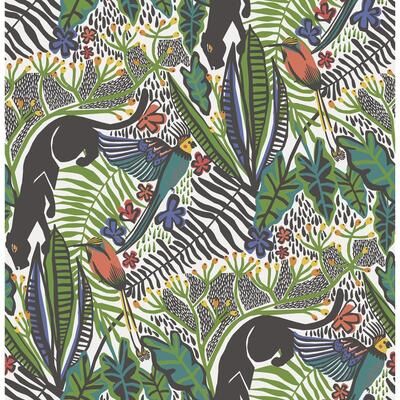
Pip & Lo Primary Poise Peel & Stick WallpaperTake a walk on the wild side and create a tropical accent wall with this highly illustrative peel and stick design! Curious pumas and colorful birds make their way through wild flora in this bold and exotic design.37,99 $*Shipping: 0,00 $Secure redirect to the provider
-
What exactly is aesthetic education in primary school?
Aesthetic education in primary school refers to the integration of arts and creativity into the curriculum to develop students' aesthetic sensibilities and appreciation for the arts. It involves exposing students to various forms of art, such as visual arts, music, dance, and theater, and encouraging them to express themselves creatively. Aesthetic education aims to foster critical thinking, imagination, and emotional intelligence in students, as well as to cultivate an understanding and respect for different cultures and perspectives. Through aesthetic education, students can develop a lifelong appreciation for the arts and creativity. **
-
How is education structured during primary school and middle school?
Education during primary school and middle school is typically structured in a grade-based system, with students progressing from one grade to the next each year. Subjects such as math, science, language arts, and social studies are taught, with a focus on building foundational knowledge and skills. Students may have one teacher for most subjects in primary school, while in middle school they often have different teachers for each subject, preparing them for the transition to high school. Additionally, there may be standardized testing at certain grade levels to assess student progress and proficiency. **
-
Does every primary school teacher have to teach sex education?
No, not every primary school teacher is required to teach sex education. The decision to include sex education in the curriculum and the responsibility for teaching it often varies by country, state, or school district. In some places, there may be specific trained educators or outside professionals who come in to teach sex education, while in others it may be integrated into the curriculum and taught by the classroom teacher. Ultimately, the decision about who teaches sex education and how it is taught is determined by the educational policies and guidelines in place. **
-
What is the training for a primary school supervisor?
A primary school supervisor typically undergoes training in education, leadership, and management. This may include obtaining a bachelor's degree in education or a related field, as well as completing additional training in educational leadership and administration. Supervisors may also participate in professional development workshops and seminars to stay current on best practices in education and leadership. Additionally, they may receive on-the-job training and mentorship from experienced administrators. Overall, the training for a primary school supervisor focuses on developing the skills and knowledge needed to effectively lead and support teachers and students in a primary school setting. **
* All prices are inclusive of VAT and, if applicable, plus shipping costs. The offer information is based on the details provided by the respective shop and is updated through automated processes. Real-time updates do not occur, so deviations can occur in individual cases. ** Note: Parts of this content were created by AI.