Buy schulung.eu ?
We are moving the project
schulung.eu .
Are you interested in purchasing the domain
schulung.eu ?
domain@kv-gmbh.de · 0541-91531010
Buy schulung.eu ?
What is the multifactorial development model?
The multifactorial development model is a theoretical framework that suggests that human development is influenced by a complex interplay of multiple factors. These factors can include genetic, biological, psychological, environmental, and sociocultural influences. The model emphasizes the dynamic and interactive nature of development, with each factor influencing and being influenced by the others. This approach recognizes that no single factor can fully explain human development, and instead emphasizes the importance of considering the interaction of multiple factors in understanding the complexities of human growth and change. **
What are examples of the psychosocial development model?
Examples of the psychosocial development model include Erik Erikson's stages of psychosocial development, which outline the different challenges individuals face at each stage of life, such as trust vs. mistrust in infancy, autonomy vs. shame and doubt in toddlerhood, and identity vs. role confusion in adolescence. Another example is the attachment theory, which focuses on the importance of early relationships in shaping an individual's social and emotional development. Additionally, the social learning theory, proposed by Albert Bandura, emphasizes the role of observation and imitation in the development of behaviors and attitudes. **
Similar search terms for Model
Top-Angebote
Products related to Model:
-
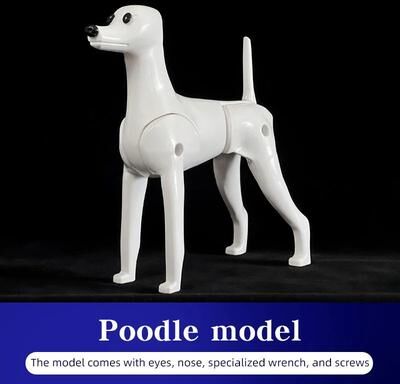
Inspired Living Professional Dog Grooming Practice Model For Poodle Styling Training poodle ModelGive every trim more confidence before working on a real pup. This dog grooming practice model is designed for groomers, students, and pet styling beginners who want a realistic way to practice shaping, clipping, and coat styling. With a poodlestyle...126,97 $*Shipping: 0,00 $Secure redirect to the provider
-
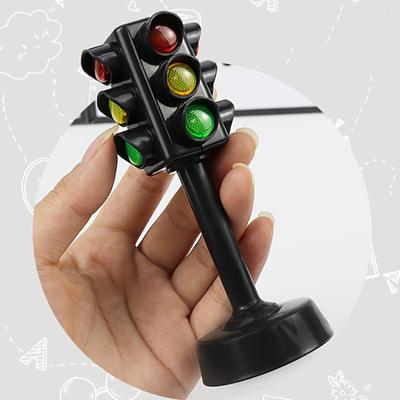
Youfap Market Montessori Educational Toy, Traffic Light Toy Model, Parking Lot Scene For Learning Montessori Educational Toy, Traffic Light Toy Model, Parking Lot Scene For LearningEnhance Learning with a Creative Toy Traffic Light Model Introduce your child to a fun and educational experience with this Creative Toy Traffic Light. This interactive toy is designed to spark creativity while helping children learn about traffic...29,97 $*Shipping: 0,00 $Secure redirect to the provider
-
Uplift Picks Professional Pet Grooming Practice Dog Model Full Body Poodle Training Mannequin poodle ModelBuild grooming confidence and improve styling skills with this pet grooming practice dog designed for training and hands on learning. Featuring a realistic full body poodle design with a durable internal structure, this model helps aspiring and...131,00 $*Shipping: 0,00 $Secure redirect to the provider
-
Tiny Tots Teens Trends Drawer Game Early Education Montessori Wooden Pitch Ball Box Preschool Learning Training Toy Drawer Game Early Education Montessori Wooden Pitch Ball Box Preschool Learning Training ToyThis Montessori Wooden Pitch Ball Box Drawer Game is a thoughtfully designed earlyeducation toy that transforms playtime into purposeful learning. Crafted for toddlers and preschoolers, it offers a handson, engaging way to support key developmental...39,97 $*Shipping: 0,00 $Secure redirect to the provider


-
What is Erikson's stages of psychosocial development model?
Erikson's stages of psychosocial development model is a theory that outlines the eight stages of human development from infancy to old age. Each stage represents a specific psychosocial crisis or challenge that individuals must navigate in order to develop a healthy sense of self and relationships with others. These stages include trust vs. mistrust, autonomy vs. shame and doubt, initiative vs. guilt, industry vs. inferiority, identity vs. role confusion, intimacy vs. isolation, generativity vs. stagnation, and integrity vs. despair. Erikson believed that successfully resolving these crises at each stage leads to the development of important virtues and a sense of personal competence. **
-
Is sustainable urban development a model for the future?
Yes, sustainable urban development is a model for the future as it promotes the creation of cities that are environmentally friendly, socially inclusive, and economically viable. By integrating green spaces, efficient public transportation, and renewable energy sources, sustainable urban development can help reduce carbon emissions and mitigate the impacts of climate change. Additionally, it can improve the quality of life for residents by providing access to affordable housing, healthcare, education, and job opportunities. Overall, sustainable urban development offers a holistic approach to city planning that can contribute to a more resilient and equitable future for urban areas. **
-
For which learning situation is the method of model learning well suited?
Model learning is well suited for situations where there is a need to understand and replicate complex patterns or behaviors. This method is particularly effective for learning tasks that involve a high degree of complexity and variability, such as language acquisition, motor skill development, and problem-solving. Model learning allows learners to observe and imitate the behavior of an expert or a well-established model, providing a clear and concrete example for them to follow and learn from. Additionally, model learning can be especially beneficial for tasks that require a combination of cognitive and motor skills, as it allows learners to internalize and replicate the expert's strategies and techniques. **
-
Which type of education is better: FHG model or regular education?
The answer to this question depends on individual preferences and goals. The FHG model, which focuses on practical, hands-on learning in a work environment, may be better suited for those who prefer a more applied approach to learning and want to gain real-world experience while studying. On the other hand, regular education provides a more traditional academic experience with a focus on theoretical knowledge and may be better for those who want to pursue a career in research or academia. Ultimately, the best type of education depends on the individual's learning style, career goals, and personal preferences. **
Is it possible to model alongside training?
Yes, it is possible to model alongside training. Many individuals balance their modeling careers with other commitments such as school or work. By managing their time effectively and prioritizing their responsibilities, models can successfully pursue their career while also engaging in other activities. It is important for models to communicate their availability and schedule with their agents and clients to ensure that they can fulfill their commitments. **
Why does model learning belong to cognitivism and not behaviorism?
Model learning belongs to cognitivism because it focuses on the mental processes involved in learning, such as attention, memory, and problem-solving. Cognitivism emphasizes the role of internal mental structures and processes in shaping behavior, which is in contrast to behaviorism's focus on external stimuli and observable behaviors. Model learning also involves the use of mental representations and cognitive strategies to imitate and learn from others, which aligns with the cognitive approach to understanding human learning and behavior. **
Top-Angebote
Products related to Model:
-
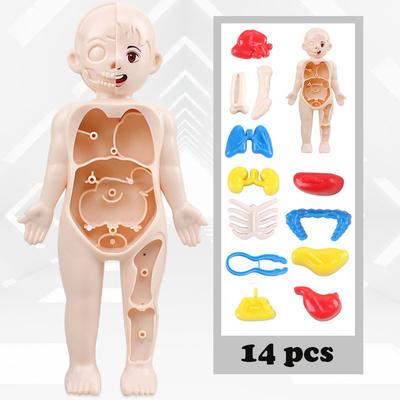
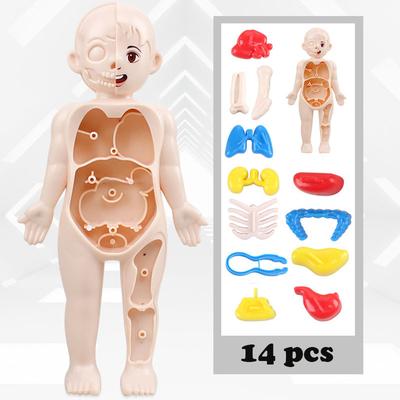
DynamicDeals Montessori Human Body Anatomy Puzzle For Kids Educational Organ Learning Model Montessori Human Body Anatomy Puzzle For Kids Educational Organ Learning ModelSpark curiosity and handson learning with this Montessori anatomy toy designed to make science fun for young minds. This interactive puzzle helps children explore the human body by assembling organs and body parts in an engaging, visual way. Perfect...39,97 $*Shipping: 0,00 $Secure redirect to the provider
-
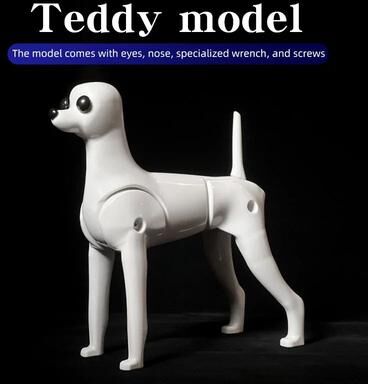
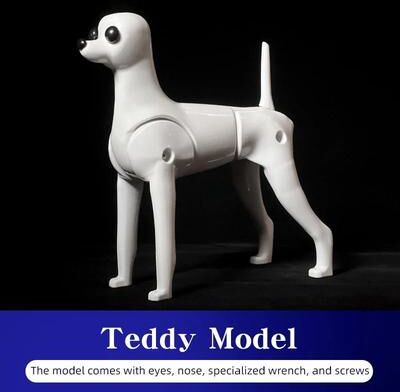
Inspired Living Teddy Dog Grooming Practice Model For Pet Styling Training teddy ModelBuild grooming confidence without the stress of practicing on a live pet. This dog grooming practice model gives students, salon trainees, and pet stylists a realistic Teddystyle form for trimming, brushing, scissoring, and styling practice....103,97 $*Shipping: 0,00 $Secure redirect to the provider
-
Inspired Living Professional Dog Grooming Practice Model For Poodle Styling Training poodle ModelGive every trim more confidence before working on a real pup. This dog grooming practice model is designed for groomers, students, and pet styling beginners who want a realistic way to practice shaping, clipping, and coat styling. With a poodlestyle...126,97 $*Shipping: 0,00 $Secure redirect to the provider
-
Youfap Market Montessori Educational Toy, Traffic Light Toy Model, Parking Lot Scene For Learning Montessori Educational Toy, Traffic Light Toy Model, Parking Lot Scene For LearningEnhance Learning with a Creative Toy Traffic Light Model Introduce your child to a fun and educational experience with this Creative Toy Traffic Light. This interactive toy is designed to spark creativity while helping children learn about traffic...29,97 $*Shipping: 0,00 $Secure redirect to the provider
-
What is the multifactorial development model?
The multifactorial development model is a theoretical framework that suggests that human development is influenced by a complex interplay of multiple factors. These factors can include genetic, biological, psychological, environmental, and sociocultural influences. The model emphasizes the dynamic and interactive nature of development, with each factor influencing and being influenced by the others. This approach recognizes that no single factor can fully explain human development, and instead emphasizes the importance of considering the interaction of multiple factors in understanding the complexities of human growth and change. **
-
What are examples of the psychosocial development model?
Examples of the psychosocial development model include Erik Erikson's stages of psychosocial development, which outline the different challenges individuals face at each stage of life, such as trust vs. mistrust in infancy, autonomy vs. shame and doubt in toddlerhood, and identity vs. role confusion in adolescence. Another example is the attachment theory, which focuses on the importance of early relationships in shaping an individual's social and emotional development. Additionally, the social learning theory, proposed by Albert Bandura, emphasizes the role of observation and imitation in the development of behaviors and attitudes. **
-
What is Erikson's stages of psychosocial development model?
Erikson's stages of psychosocial development model is a theory that outlines the eight stages of human development from infancy to old age. Each stage represents a specific psychosocial crisis or challenge that individuals must navigate in order to develop a healthy sense of self and relationships with others. These stages include trust vs. mistrust, autonomy vs. shame and doubt, initiative vs. guilt, industry vs. inferiority, identity vs. role confusion, intimacy vs. isolation, generativity vs. stagnation, and integrity vs. despair. Erikson believed that successfully resolving these crises at each stage leads to the development of important virtues and a sense of personal competence. **
-
Is sustainable urban development a model for the future?
Yes, sustainable urban development is a model for the future as it promotes the creation of cities that are environmentally friendly, socially inclusive, and economically viable. By integrating green spaces, efficient public transportation, and renewable energy sources, sustainable urban development can help reduce carbon emissions and mitigate the impacts of climate change. Additionally, it can improve the quality of life for residents by providing access to affordable housing, healthcare, education, and job opportunities. Overall, sustainable urban development offers a holistic approach to city planning that can contribute to a more resilient and equitable future for urban areas. **
Similar search terms for Model
-
Uplift Picks Professional Pet Grooming Practice Dog Model Full Body Poodle Training Mannequin poodle ModelBuild grooming confidence and improve styling skills with this pet grooming practice dog designed for training and hands on learning. Featuring a realistic full body poodle design with a durable internal structure, this model helps aspiring and...131,00 $*Shipping: 0,00 $Secure redirect to the provider
-
Tiny Tots Teens Trends Drawer Game Early Education Montessori Wooden Pitch Ball Box Preschool Learning Training Toy Drawer Game Early Education Montessori Wooden Pitch Ball Box Preschool Learning Training ToyThis Montessori Wooden Pitch Ball Box Drawer Game is a thoughtfully designed earlyeducation toy that transforms playtime into purposeful learning. Crafted for toddlers and preschoolers, it offers a handson, engaging way to support key developmental...39,97 $*Shipping: 0,00 $Secure redirect to the provider
-
Uplift Picks Teddy Dog Grooming Practice Model Full Body Pet Groomer Training Dummy teddy Model OnlyImprove grooming skills with this Pet Grooming Practice Model designed for aspiring and professional pet groomers. Featuring a realistic teddy dog shape with simulation hair and a full body structure, this training model helps users practice...111,48 $*Shipping: 0,00 $Secure redirect to the provider
-
Perfect Picks Market Educational Puzzle Toy, Human Body Anatomy Model For Kids, Montessori Organ Assembled Learning Tool Educational Puzzle Toy, Human Body Anatomy Model For Kids, Montessori Organ Assembled Learning ToolEngage and Educate with the Montessori 3D Puzzle Toy The Montessori 3D puzzle toy is a handson educational experience designed for children to explore the human body. With this human body anatomy model, kids can assemble and learn about the...34,97 $*Shipping: 0,00 $Secure redirect to the provider
-
For which learning situation is the method of model learning well suited?
Model learning is well suited for situations where there is a need to understand and replicate complex patterns or behaviors. This method is particularly effective for learning tasks that involve a high degree of complexity and variability, such as language acquisition, motor skill development, and problem-solving. Model learning allows learners to observe and imitate the behavior of an expert or a well-established model, providing a clear and concrete example for them to follow and learn from. Additionally, model learning can be especially beneficial for tasks that require a combination of cognitive and motor skills, as it allows learners to internalize and replicate the expert's strategies and techniques. **
-
Which type of education is better: FHG model or regular education?
The answer to this question depends on individual preferences and goals. The FHG model, which focuses on practical, hands-on learning in a work environment, may be better suited for those who prefer a more applied approach to learning and want to gain real-world experience while studying. On the other hand, regular education provides a more traditional academic experience with a focus on theoretical knowledge and may be better for those who want to pursue a career in research or academia. Ultimately, the best type of education depends on the individual's learning style, career goals, and personal preferences. **
-
Is it possible to model alongside training?
Yes, it is possible to model alongside training. Many individuals balance their modeling careers with other commitments such as school or work. By managing their time effectively and prioritizing their responsibilities, models can successfully pursue their career while also engaging in other activities. It is important for models to communicate their availability and schedule with their agents and clients to ensure that they can fulfill their commitments. **
-
Why does model learning belong to cognitivism and not behaviorism?
Model learning belongs to cognitivism because it focuses on the mental processes involved in learning, such as attention, memory, and problem-solving. Cognitivism emphasizes the role of internal mental structures and processes in shaping behavior, which is in contrast to behaviorism's focus on external stimuli and observable behaviors. Model learning also involves the use of mental representations and cognitive strategies to imitate and learn from others, which aligns with the cognitive approach to understanding human learning and behavior. **
* All prices are inclusive of VAT and, if applicable, plus shipping costs. The offer information is based on the details provided by the respective shop and is updated through automated processes. Real-time updates do not occur, so deviations can occur in individual cases. ** Note: Parts of this content were created by AI.