Buy schulung.eu ?
We are moving the project
schulung.eu .
Are you interested in purchasing the domain
schulung.eu ?
domain@kv-gmbh.de · 0541-91531010
Buy schulung.eu ?
What is included in cognitive development?
Cognitive development refers to the growth and maturation of a person's ability to think, reason, and understand the world around them. This includes processes such as memory, problem-solving, decision-making, language development, and perception. Cognitive development also involves the development of skills like attention, concentration, and critical thinking. It is a complex and ongoing process that occurs throughout a person's lifespan. **
What are the stages of cognitive development?
The stages of cognitive development, as proposed by psychologist Jean Piaget, are as follows: 1. Sensorimotor stage (birth to 2 years): During this stage, infants learn about the world through their senses and actions. They develop object permanence and begin to understand cause and effect. 2. Preoperational stage (2 to 7 years): Children in this stage begin to use language and symbols to represent objects and ideas. They also develop egocentrism, where they have difficulty seeing things from others' perspectives. 3. Concrete operational stage (7 to 11 years): In this stage, children begin to think logically about concrete events and understand conservation. They can also understand the concept of reversibility. 4. Formal operational stage (11 years and older): During this stage, individuals can think abstractly and use hypothetical reasoning. They can also engage in deductive reasoning and problem-solving. **


Similar search terms for Cognitive
Top-Angebote
Products related to Cognitive:
-
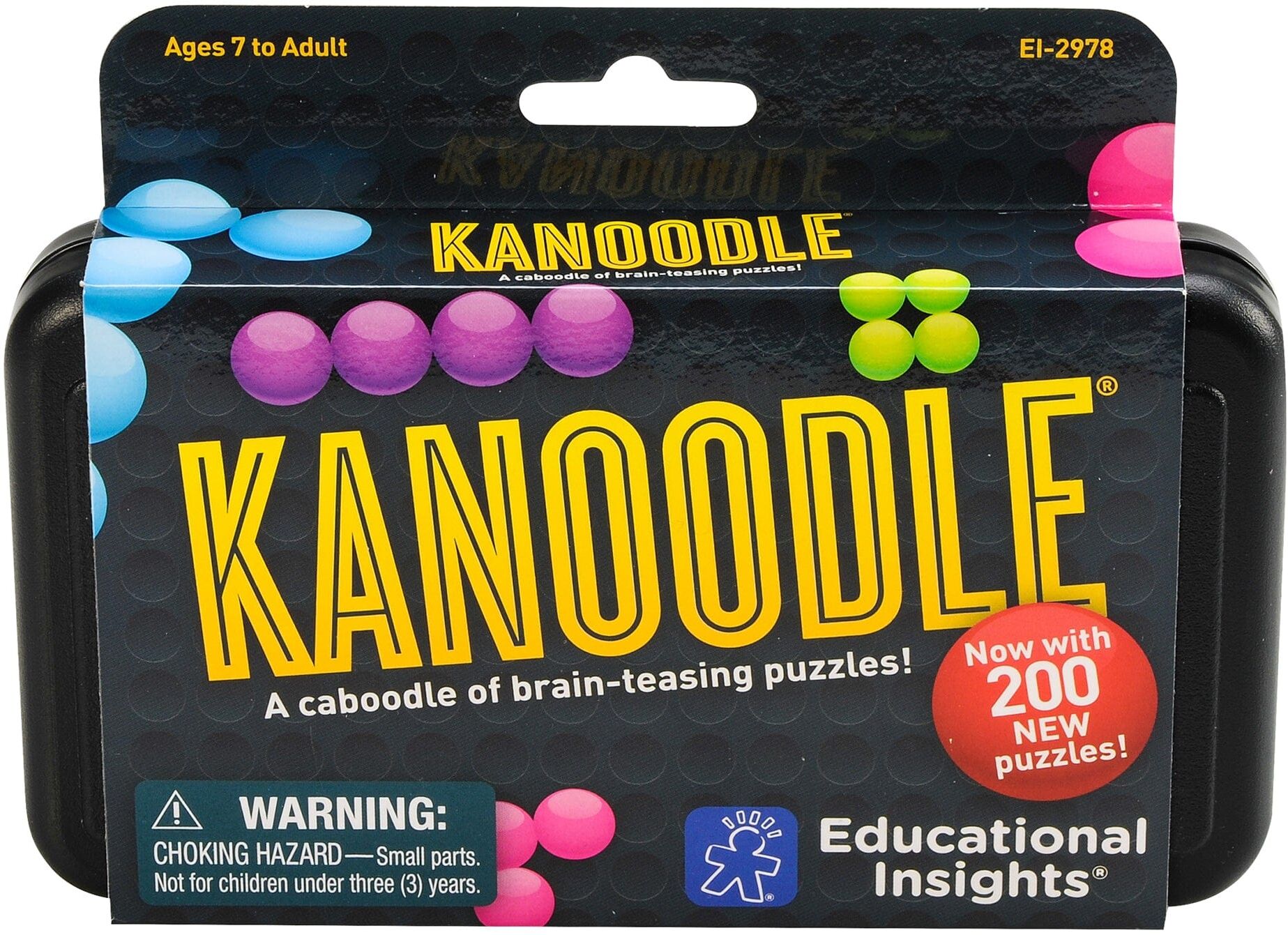
Learning Resources Kanoodle Puzzle Game for Kids - Ages 7+ - Improves Cognitive SkillsUnleash your inner puzzle master with the Learning Resources Kanoodle Puzzle Game, perfect for kids and adults alike. This captivating brainteaser is ideal for family game nights or as a thoughtful gift for birthdays and holidays. With over 300 challenges ranging from beginner to expert level, Kanoodle provides endless entertainment while enhancing critical thinking and problem-solving skills. Designed to engage minds of all ages, this game encourages imaginative play as players create intricate 2D and 3D designs using colorful, interlocking pieces. Suitable for ages 7 and up, it improves cognitive skills while having fun. The portable design makes it perfect for travel or on-the-go fun.9,69 £*Shipping: 3,95 £Secure redirect to the provider
-
Uplifted Finds Cognitive Challenge Interactive Puzzle Station Cognitive Challenge Interactive Puzzle StationTransform mealtime into a stimulating mental workout with the CognitiveChallenge Puzzle Station, a highutility enrichment module engineered with progressivedifficulty logic. This professionalgrade feeder features a multichambered architecture that...119,97 $*Shipping: 0,00 $Secure redirect to the provider
-
Uplift Essentials "Rotatable ""Roast & Flame"" Smart Puzzle Feeder Interactive Cognitive Training Slow Bowl Rotatable ""Roast & Flame"" Smart Puzzle Feeder Interactive Cognitive Training Slow Bowl""Turn mealtime into a brainboosting safari with our Rotatable ""Roast & Flame"" Puzzle Feeder. Designed with a unique, whimsical campfire theme, this interactive slowfeed bowl is engineered to challenge your cat's cognitive skills while managing their..."74,97 $*Shipping: 0,00 $Secure redirect to the provider
-
Smart Shopping Spot Wooden Memory Match Stick Chess Game Cognitive Learning Puzzle For Children & Adults Montessori Educational Toy Wooden Memory Match Stick Chess Game Cognitive Learning Puzzle For Children & Adults Montessori Educational ToyThis Wooden Memory Match Stick Chess Game is a perfect blend of fun and learning, designed for players of all ages. Whether you're looking to enhance a child's cognitive abilities or support elderly memory retention, this game offers a versatile and...34,97 $*Shipping: 0,00 $Secure redirect to the provider



-
Can you give examples of social cognitive learning?
Social cognitive learning occurs when individuals observe and imitate the behaviors of others. Examples of social cognitive learning include children learning to tie their shoes by watching a parent or teacher demonstrate the process, employees learning new skills by observing and emulating their colleagues, and individuals adopting healthy habits after seeing friends or family members engage in them. Additionally, social cognitive learning can also occur through media, such as when people learn new cooking techniques by watching instructional videos or learn about different cultures by watching documentaries. **
-
What is a cognitive structure in psychology and education?
A cognitive structure in psychology and education refers to the mental framework or organization of information that individuals use to understand and interpret the world around them. It includes mental processes such as perception, memory, problem-solving, and decision-making. Cognitive structures help individuals make sense of new information by connecting it to existing knowledge and experiences, allowing for more efficient learning and problem-solving. In education, understanding students' cognitive structures can help teachers design effective instructional strategies that build upon students' existing knowledge and promote deeper understanding. **
-
What is the topic of the seminar paper on cognitive dissonance?
The topic of the seminar paper on cognitive dissonance is the psychological theory of cognitive dissonance and its implications for behavior and decision-making. The paper explores the concept of cognitive dissonance, which occurs when an individual holds conflicting beliefs or attitudes, and how this discomfort can drive people to change their attitudes or behaviors to reduce the dissonance. The paper may also discuss the various ways in which cognitive dissonance has been studied and its applications in fields such as psychology, marketing, and social influence. **
-
Is cognitive development, also known as thinking development, fully matured at 11 years old?
Cognitive development, or thinking development, is not fully matured at 11 years old. While significant progress has been made in cognitive abilities by this age, the brain continues to develop and change throughout adolescence and into early adulthood. Higher-order thinking skills, such as abstract reasoning, problem-solving, and decision-making, continue to develop well into the teenage years and beyond. Therefore, it is important to recognize that cognitive development is an ongoing process that extends beyond 11 years old. **

What is cognitive dissonance?
Cognitive dissonance is a psychological term that refers to the discomfort or mental stress that arises from holding contradictory beliefs, attitudes, or behaviors. When individuals experience cognitive dissonance, they may feel tension and a sense of unease as they try to reconcile conflicting thoughts or actions. This can lead to efforts to reduce the dissonance by changing beliefs, justifying behaviors, or avoiding information that challenges their existing beliefs. Cognitive dissonance theory suggests that individuals are motivated to seek consistency and harmony in their thoughts and actions. **
What are cognitive abilities?
Cognitive abilities refer to the mental skills and processes that are involved in acquiring knowledge, understanding information, and solving problems. These abilities include functions such as memory, attention, perception, reasoning, and language. Cognitive abilities are essential for learning, decision-making, and overall mental functioning. They play a crucial role in how individuals process and interpret information from the world around them. **
Top-Angebote
Products related to Cognitive:
-
Inspire Curations Montessori Wooden Color Sorting Cups Toy Kids Matching & Cognitive Learning Game Montessori Wooden Color Sorting Cups Toy Kids Matching & Cognitive Learning GameMake early learning colorful, fun, and handson with this engaging Montessori wooden sorting toy. Designed to help children explore colors, matching, and coordination, this toy turns simple play into meaningful learning moments. With bright cups and...115,50 $*Shipping: 0,00 $Secure redirect to the provider
-
Multisell Products Hub Perfect IQ Lock Challenge Puzzle, Classic Wooden Brainteaser, Cognitive Development Toy For Children Perfect IQ Lock Challenge Puzzle, Classic Wooden Brainteaser, Cognitive Development Toy For ChildrenEngage Your Child's Mind with a Challenging Puzzle Unleash your child's potential with this challenging classic wooden brainteaser puzzle game. Designed to enhance cognitive development, this IQ lock challenge helps improve critical thinking and...49,97 $*Shipping: 0,00 $Secure redirect to the provider
-
Learning Resources Kanoodle Puzzle Game for Kids - Ages 7+ - Improves Cognitive SkillsUnleash your inner puzzle master with the Learning Resources Kanoodle Puzzle Game, perfect for kids and adults alike. This captivating brainteaser is ideal for family game nights or as a thoughtful gift for birthdays and holidays. With over 300 challenges ranging from beginner to expert level, Kanoodle provides endless entertainment while enhancing critical thinking and problem-solving skills. Designed to engage minds of all ages, this game encourages imaginative play as players create intricate 2D and 3D designs using colorful, interlocking pieces. Suitable for ages 7 and up, it improves cognitive skills while having fun. The portable design makes it perfect for travel or on-the-go fun.9,69 £*Shipping: 3,95 £Secure redirect to the provider
-
Uplifted Finds Cognitive Challenge Interactive Puzzle Station Cognitive Challenge Interactive Puzzle StationTransform mealtime into a stimulating mental workout with the CognitiveChallenge Puzzle Station, a highutility enrichment module engineered with progressivedifficulty logic. This professionalgrade feeder features a multichambered architecture that...119,97 $*Shipping: 0,00 $Secure redirect to the provider
-
What is included in cognitive development?
Cognitive development refers to the growth and maturation of a person's ability to think, reason, and understand the world around them. This includes processes such as memory, problem-solving, decision-making, language development, and perception. Cognitive development also involves the development of skills like attention, concentration, and critical thinking. It is a complex and ongoing process that occurs throughout a person's lifespan. **
-
What are the stages of cognitive development?
The stages of cognitive development, as proposed by psychologist Jean Piaget, are as follows: 1. Sensorimotor stage (birth to 2 years): During this stage, infants learn about the world through their senses and actions. They develop object permanence and begin to understand cause and effect. 2. Preoperational stage (2 to 7 years): Children in this stage begin to use language and symbols to represent objects and ideas. They also develop egocentrism, where they have difficulty seeing things from others' perspectives. 3. Concrete operational stage (7 to 11 years): In this stage, children begin to think logically about concrete events and understand conservation. They can also understand the concept of reversibility. 4. Formal operational stage (11 years and older): During this stage, individuals can think abstractly and use hypothetical reasoning. They can also engage in deductive reasoning and problem-solving. **
-
Can you give examples of social cognitive learning?
Social cognitive learning occurs when individuals observe and imitate the behaviors of others. Examples of social cognitive learning include children learning to tie their shoes by watching a parent or teacher demonstrate the process, employees learning new skills by observing and emulating their colleagues, and individuals adopting healthy habits after seeing friends or family members engage in them. Additionally, social cognitive learning can also occur through media, such as when people learn new cooking techniques by watching instructional videos or learn about different cultures by watching documentaries. **
-
What is a cognitive structure in psychology and education?
A cognitive structure in psychology and education refers to the mental framework or organization of information that individuals use to understand and interpret the world around them. It includes mental processes such as perception, memory, problem-solving, and decision-making. Cognitive structures help individuals make sense of new information by connecting it to existing knowledge and experiences, allowing for more efficient learning and problem-solving. In education, understanding students' cognitive structures can help teachers design effective instructional strategies that build upon students' existing knowledge and promote deeper understanding. **
Similar search terms for Cognitive
-
Uplift Essentials "Rotatable ""Roast & Flame"" Smart Puzzle Feeder Interactive Cognitive Training Slow Bowl Rotatable ""Roast & Flame"" Smart Puzzle Feeder Interactive Cognitive Training Slow Bowl""Turn mealtime into a brainboosting safari with our Rotatable ""Roast & Flame"" Puzzle Feeder. Designed with a unique, whimsical campfire theme, this interactive slowfeed bowl is engineered to challenge your cat's cognitive skills while managing their..."74,97 $*Shipping: 0,00 $Secure redirect to the provider
-
Smart Shopping Spot Wooden Memory Match Stick Chess Game Cognitive Learning Puzzle For Children & Adults Montessori Educational Toy Wooden Memory Match Stick Chess Game Cognitive Learning Puzzle For Children & Adults Montessori Educational ToyThis Wooden Memory Match Stick Chess Game is a perfect blend of fun and learning, designed for players of all ages. Whether you're looking to enhance a child's cognitive abilities or support elderly memory retention, this game offers a versatile and...34,97 $*Shipping: 0,00 $Secure redirect to the provider
-
Inspired Living Montessori Color Match Stick Chess Board Game For Kids Wooden Memory Matching Game & Cognitive Learning Puzzle Montessori Color Match Stick Chess Board Game For Kids Wooden Memory Matching Game & Cognitive Learning PuzzleSpark curiosity and confidence through play with this beautifully crafted Montessori toy designed to strengthen memory, focus, and color recognition. Made for toddlers and young children, this handson learning game transforms everyday playtime into...23,97 $*Shipping: 0,00 $Secure redirect to the provider
-
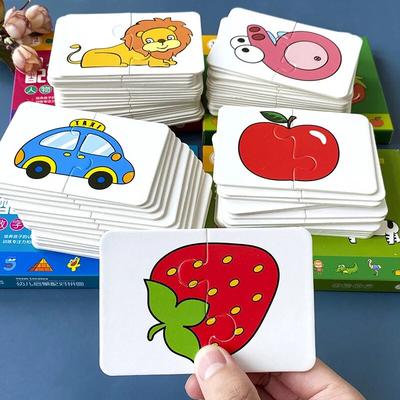
Multisell Products Hub Magnetic Cartoon Matching Puzzle Set Early Cognitive Learning Toy For Toddlers fruitUnlock joyful learning with a toy that inspires curiosity 32 pcs and confidence in little minds. The Magnetic Cartoon Matching Puzzle Set is a fun, handson matching puzzle experience designed for toddlers and preschoolers. Perfect for parents who...29,97 $*Shipping: 0,00 $Secure redirect to the provider
-
What is the topic of the seminar paper on cognitive dissonance?
The topic of the seminar paper on cognitive dissonance is the psychological theory of cognitive dissonance and its implications for behavior and decision-making. The paper explores the concept of cognitive dissonance, which occurs when an individual holds conflicting beliefs or attitudes, and how this discomfort can drive people to change their attitudes or behaviors to reduce the dissonance. The paper may also discuss the various ways in which cognitive dissonance has been studied and its applications in fields such as psychology, marketing, and social influence. **
-
Is cognitive development, also known as thinking development, fully matured at 11 years old?
Cognitive development, or thinking development, is not fully matured at 11 years old. While significant progress has been made in cognitive abilities by this age, the brain continues to develop and change throughout adolescence and into early adulthood. Higher-order thinking skills, such as abstract reasoning, problem-solving, and decision-making, continue to develop well into the teenage years and beyond. Therefore, it is important to recognize that cognitive development is an ongoing process that extends beyond 11 years old. **
-
What is cognitive dissonance?
Cognitive dissonance is a psychological term that refers to the discomfort or mental stress that arises from holding contradictory beliefs, attitudes, or behaviors. When individuals experience cognitive dissonance, they may feel tension and a sense of unease as they try to reconcile conflicting thoughts or actions. This can lead to efforts to reduce the dissonance by changing beliefs, justifying behaviors, or avoiding information that challenges their existing beliefs. Cognitive dissonance theory suggests that individuals are motivated to seek consistency and harmony in their thoughts and actions. **
-
What are cognitive abilities?
Cognitive abilities refer to the mental skills and processes that are involved in acquiring knowledge, understanding information, and solving problems. These abilities include functions such as memory, attention, perception, reasoning, and language. Cognitive abilities are essential for learning, decision-making, and overall mental functioning. They play a crucial role in how individuals process and interpret information from the world around them. **
* All prices are inclusive of VAT and, if applicable, plus shipping costs. The offer information is based on the details provided by the respective shop and is updated through automated processes. Real-time updates do not occur, so deviations can occur in individual cases. ** Note: Parts of this content were created by AI.