Buy schulung.eu ?
We are moving the project
schulung.eu .
Are you interested in purchasing the domain
schulung.eu ?
domain@kv-gmbh.de · 0541-91531010
Buy schulung.eu ?
Does anime disrupt the development of children?
Anime itself does not necessarily disrupt the development of children. Like any form of media, it is important for parents to monitor the content their children are exposed to and ensure that it is age-appropriate. Some anime may contain mature themes or violence that may not be suitable for young children, so it is important for parents to be aware of the content and guide their children's viewing choices. However, there are also many anime series and movies that are specifically created for children and can provide positive messages and entertainment. Ultimately, it is the responsibility of parents to regulate their children's exposure to anime and ensure that it does not disrupt their development. **
How can one care for children without formal education or training?
Caring for children without formal education or training can be done by focusing on building a strong and loving relationship with the children, being attentive to their needs, and providing a safe and nurturing environment. It is important to be patient, understanding, and willing to learn from the children themselves. Seeking guidance and support from experienced caregivers, reading books on child development, and attending parenting workshops can also provide valuable knowledge and skills for caring for children without formal education or training. Ultimately, the key is to prioritize the well-being and development of the children and to continuously strive to improve as a caregiver. **


Similar search terms for Scholastic---Children-s
Top-Angebote
Products related to Scholastic---Children-s:
-
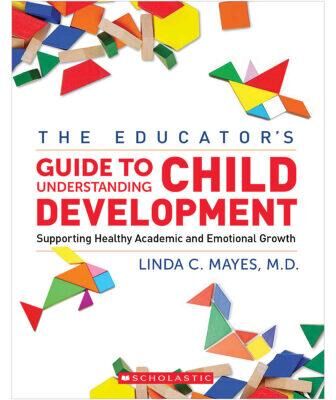
Scholastic Teaching Resources The Educator's Guide to Understanding Child DevelopmentThe Yale Child Study Center Guide to Understanding Your Child was a landmark essential resource for parents, offering accessible information on child development based on a deep understanding of brain research and psychology. Now that knowledge has...35,99 $*Shipping: 0,00 $Secure redirect to the provider
-
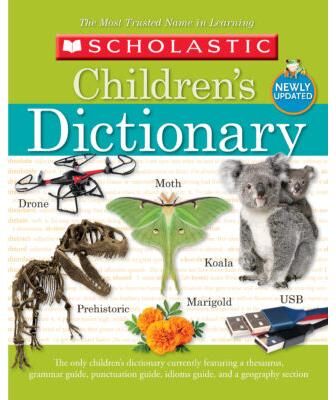
Scholastic Reference Scholastic Children's Dictionary (2019) (Hardcover) - ScholasticScholastic's trusted Children's Dictionary is back and bursting with up-to-date information on contemporary technological, scientific, and cultural terms, hundreds of new words, and in-depth sidebars featuring bold, colorful images. Featuring more...21,99 $*Shipping: 0,00 $Secure redirect to the provider
-
Learning Resources Upzzle Interactive Learning Game for Children Aged 5 and Up - Interactive Learning GameDiscover the joy of learning with the Learning Resources Upzzle Interactive Learning Game. Designed for children aged 5 and up, Upzzle promotes critical thinking and problem-solving skills through interactive play. It features durable construction and a variety of themes to engage young learners.9,65 £*Shipping: 3,95 £Secure redirect to the provider

-
Should children use learning apps in school?
Yes, children should use learning apps in school as they can enhance their learning experience by making it more interactive and engaging. These apps can cater to different learning styles and abilities, allowing students to learn at their own pace. Additionally, learning apps can provide immediate feedback to students, helping them track their progress and identify areas for improvement. Overall, incorporating learning apps in school can help make learning more enjoyable and effective for children. **
-
Can children receive education without parents?
Yes, children can receive education without parents through various means such as attending school, participating in online learning programs, or being taught by other family members or guardians. While parental involvement is important for a child's education, it is possible for children to learn and thrive academically with support from teachers, mentors, and other caregivers. However, parental involvement can greatly enhance a child's educational experience and success. **
-
Can children pursue education without parents?
Yes, children can pursue education without their parents. In many cases, children attend school and receive an education with the support of teachers, mentors, and other caregivers. While parental involvement is important for a child's education, there are systems in place such as schools, community programs, and government resources that can help children access education even without direct parental involvement. **
-
What are examples of learning efforts in children?
Examples of learning efforts in children include attending school, completing homework assignments, participating in extracurricular activities, reading books, asking questions, and seeking help from teachers or parents. Children also engage in hands-on learning experiences, such as conducting science experiments, solving puzzles, and playing educational games. Additionally, children may demonstrate learning efforts by practicing skills, studying for tests, and actively listening during lessons. **

Can children receive education without their parents?
Yes, children can receive education without their parents. In many countries, there are schools, teachers, and educational programs that provide children with the opportunity to learn and grow independently of their parents. Additionally, there are boarding schools, online schools, and other educational options that allow children to receive an education even if their parents are not directly involved in the process. Ultimately, while parental involvement in a child's education is important, it is possible for children to receive an education without their parents. **
Is the education of our children deteriorating?
It is difficult to make a blanket statement about the education of children deteriorating as it can vary depending on the region, school, and individual circumstances. However, there are concerns about factors such as budget cuts, overcrowded classrooms, lack of resources, and the impact of the COVID-19 pandemic on learning outcomes. It is important for policymakers, educators, and parents to work together to address these challenges and ensure that children receive a high-quality education. **
Top-Angebote
Products related to Scholastic---Children-s:
-
Comprehension practice activities for children ages 7-8 (Year 3). Perfect for Home Learning.(Scholastic English Skills)Comprehension practice activities for children ages 7-8 (Year 3). Perfect for Home Learning.(Scholastic English Skills) Subject: Comprehension Type: Workbook Ages: 7-8 This workbook helps to break down the skills children need to master to meet their curriculum objectives in a clear and fuss-free way. It supports children to develop their their comprehension skills using a mix of fiction and non-fiction texts through fun and engaging activities. Practice activities to use at home or in school Matched to National Curriculum requirements Quickly builds confidence and understanding Includes extra notes and tips to reinforce skills4,99 £*Shipping: 1,99 £Secure redirect to the provider
-
Spelling and Vocabulary practice activities for children ages 6-7 (Year 2). Perfect for Home Learning.: (Scholastic English Skills)Master spelling and vocabulary and build English skills This workbook supports children to develop their spelling and vocabulary skills through fun and engaging activities which will help motivate your child's learning and confidence. A progress chart is also included for children to colour in as chapters are completed, and an introduction chapter on how to use the book. Content is split into: Back to basics; New spellins work: consonants; Focus on vowel sound; Super suffixes; More suffixes; Homophones and tricky words; and Spelling words with apostrophes. Help children feel prepared, capable and ready to tackle new challenges at school. Use at home or in school. Quickly builds confidence through regular, achievable activities that encourage independent learning. Designed to complement the school curriculum, meaning children work at the right level, so nothing feels too hard or too easy. Includes extra notes and tips to reinforce skills.4,99 £*Shipping: 1,99 £Secure redirect to the provider
-
Scholastic Teaching Resources The Educator's Guide to Understanding Child DevelopmentThe Yale Child Study Center Guide to Understanding Your Child was a landmark essential resource for parents, offering accessible information on child development based on a deep understanding of brain research and psychology. Now that knowledge has...35,99 $*Shipping: 0,00 $Secure redirect to the provider
-
Scholastic Reference Scholastic Children's Dictionary (2019) (Hardcover) - ScholasticScholastic's trusted Children's Dictionary is back and bursting with up-to-date information on contemporary technological, scientific, and cultural terms, hundreds of new words, and in-depth sidebars featuring bold, colorful images. Featuring more...21,99 $*Shipping: 0,00 $Secure redirect to the provider
-
Does anime disrupt the development of children?
Anime itself does not necessarily disrupt the development of children. Like any form of media, it is important for parents to monitor the content their children are exposed to and ensure that it is age-appropriate. Some anime may contain mature themes or violence that may not be suitable for young children, so it is important for parents to be aware of the content and guide their children's viewing choices. However, there are also many anime series and movies that are specifically created for children and can provide positive messages and entertainment. Ultimately, it is the responsibility of parents to regulate their children's exposure to anime and ensure that it does not disrupt their development. **
-
How can one care for children without formal education or training?
Caring for children without formal education or training can be done by focusing on building a strong and loving relationship with the children, being attentive to their needs, and providing a safe and nurturing environment. It is important to be patient, understanding, and willing to learn from the children themselves. Seeking guidance and support from experienced caregivers, reading books on child development, and attending parenting workshops can also provide valuable knowledge and skills for caring for children without formal education or training. Ultimately, the key is to prioritize the well-being and development of the children and to continuously strive to improve as a caregiver. **
-
Should children use learning apps in school?
Yes, children should use learning apps in school as they can enhance their learning experience by making it more interactive and engaging. These apps can cater to different learning styles and abilities, allowing students to learn at their own pace. Additionally, learning apps can provide immediate feedback to students, helping them track their progress and identify areas for improvement. Overall, incorporating learning apps in school can help make learning more enjoyable and effective for children. **
-
Can children receive education without parents?
Yes, children can receive education without parents through various means such as attending school, participating in online learning programs, or being taught by other family members or guardians. While parental involvement is important for a child's education, it is possible for children to learn and thrive academically with support from teachers, mentors, and other caregivers. However, parental involvement can greatly enhance a child's educational experience and success. **
Similar search terms for Scholastic---Children-s
-
Learning Resources Upzzle Interactive Learning Game for Children Aged 5 and Up - Interactive Learning GameDiscover the joy of learning with the Learning Resources Upzzle Interactive Learning Game. Designed for children aged 5 and up, Upzzle promotes critical thinking and problem-solving skills through interactive play. It features durable construction and a variety of themes to engage young learners.9,65 £*Shipping: 3,95 £Secure redirect to the provider
-
Articulate for Kids Board Game - Educational Vocabulary Development for Children 6+Junior version of Articulate for children aged 6 and older. Over 2000 entries in six categories to promote vocabulary and language skills. Complete game with its own board.23,14 £*Shipping: 3,95 £Secure redirect to the provider
-
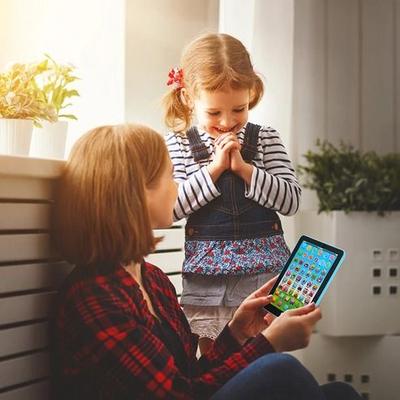
The Cart Load NEW Educational Learning Toys For Kids, Toddlers, Interactive Learning Pad, Best Early Learning Tool For Children NEW Educational Learning Toys For Kids, Toddlers, Interactive Learning Pad, Best Early Learning Tool For ChildrenStimulate Learning Through Synergy with the NEW Educational Learning Toys for Kid Give your child a head start in their learning journey with the NEW Educational Learning Toys for Kids, designed to captivate and engage toddlers aged 2 to 7. This...39,97 $*Shipping: 0,00 $Secure redirect to the provider
-
Can children pursue education without parents?
Yes, children can pursue education without their parents. In many cases, children attend school and receive an education with the support of teachers, mentors, and other caregivers. While parental involvement is important for a child's education, there are systems in place such as schools, community programs, and government resources that can help children access education even without direct parental involvement. **
-
What are examples of learning efforts in children?
Examples of learning efforts in children include attending school, completing homework assignments, participating in extracurricular activities, reading books, asking questions, and seeking help from teachers or parents. Children also engage in hands-on learning experiences, such as conducting science experiments, solving puzzles, and playing educational games. Additionally, children may demonstrate learning efforts by practicing skills, studying for tests, and actively listening during lessons. **
-
Can children receive education without their parents?
Yes, children can receive education without their parents. In many countries, there are schools, teachers, and educational programs that provide children with the opportunity to learn and grow independently of their parents. Additionally, there are boarding schools, online schools, and other educational options that allow children to receive an education even if their parents are not directly involved in the process. Ultimately, while parental involvement in a child's education is important, it is possible for children to receive an education without their parents. **
-
Is the education of our children deteriorating?
It is difficult to make a blanket statement about the education of children deteriorating as it can vary depending on the region, school, and individual circumstances. However, there are concerns about factors such as budget cuts, overcrowded classrooms, lack of resources, and the impact of the COVID-19 pandemic on learning outcomes. It is important for policymakers, educators, and parents to work together to address these challenges and ensure that children receive a high-quality education. **
* All prices are inclusive of VAT and, if applicable, plus shipping costs. The offer information is based on the details provided by the respective shop and is updated through automated processes. Real-time updates do not occur, so deviations can occur in individual cases. ** Note: Parts of this content were created by AI.